
Liminal Spaces
Some photographs stay with us for reasons that are difficult to explain.
Not because they are technically impressive. Not because they won awards or became popular online. They simply linger. Years pass, yet something about them continues to occupy a small corner of the mind.
This photograph is one of those images.
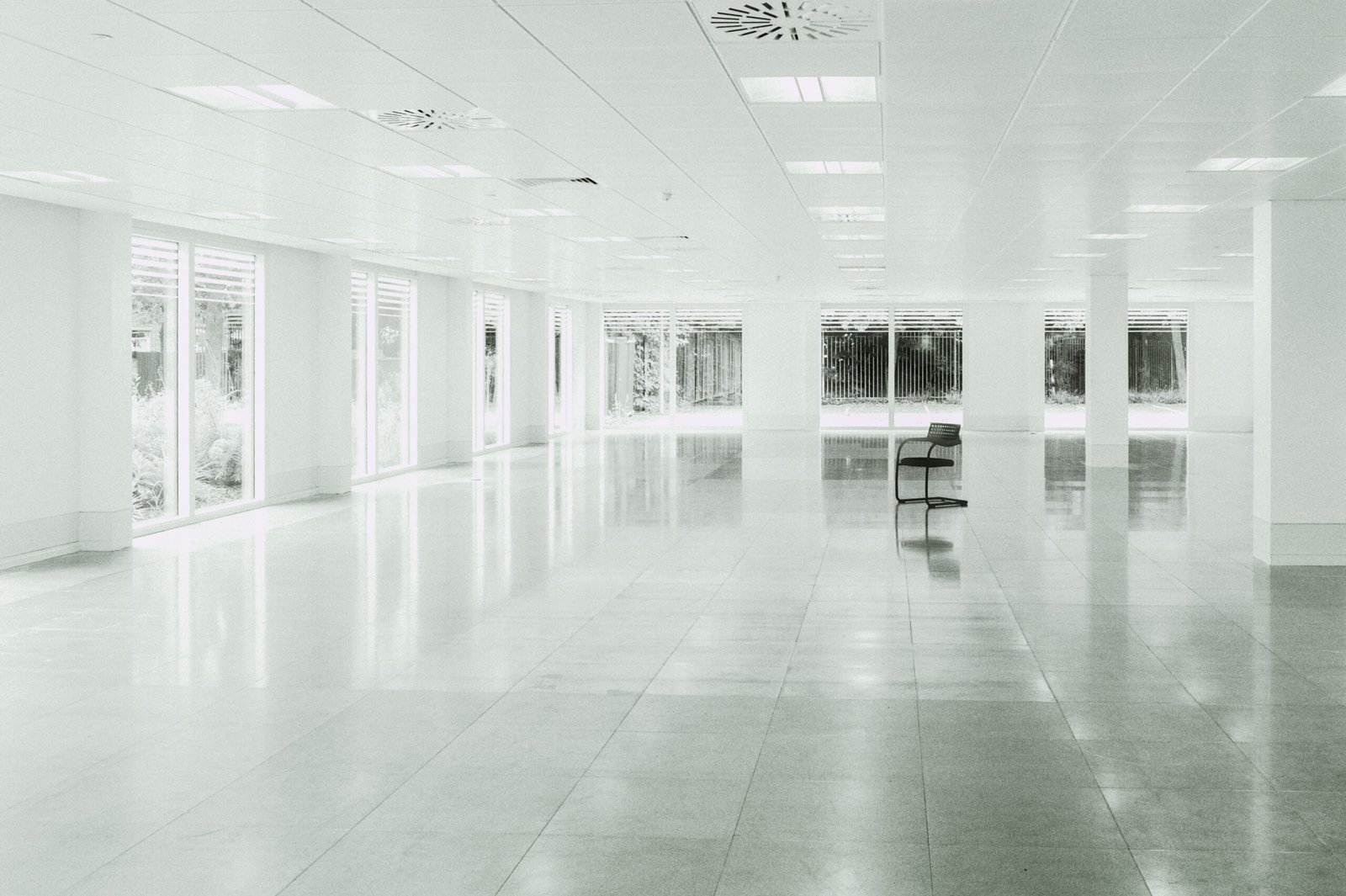
I took it around fifteen years ago while exploring an empty office building. At the time it was simply a personal photography project. The building itself was completely ordinary, yet it never felt entirely real.
The floor stretched into the distance, polished enough to reflect the light pouring through the windows. The room was spotless. Bright. Quiet.
And in the middle of it all sat a single chair.
Nothing was wrong with the scene. There was no sign of decay or abandonment. Yet standing there felt strangely unsettling. The building seemed to exist outside its intended purpose, as though it were waiting for something that never arrived.
Years later I discovered the term liminal space.
A liminal space is often described as a place between destinations. A corridor. A waiting room. A staircase. An empty office after everyone has gone home. Places designed for people, yet somehow incomplete without them.
Looking back, that perfectly describes how this building felt.
At the time I took the photograph I had no plans to write fiction. In fact, I had never seriously considered myself a writer. The image was simply added to an archive of photographs and eventually forgotten.
Or so I thought.
Later that same day, after leaving the building and driving home, I experienced a dream that would stay with me for years. It was vivid, unsettling and impossible to fully shake off. Fifteen years later that dream would become the foundation of my novella Dreams Don't Always End.
What I find fascinating now is not the dream itself, but the photograph.
While writing the book, I knew the office scenes were based on a real place. I could picture the reflections on the floor, the feeling of emptiness and the strange sense of waiting that hung over the building. Yet I couldn't find the original image. The location survived only in memory.
It was only after the book had been published that I rediscovered the photograph.
Seeing it again felt oddly familiar, as though I was looking at evidence of something I already knew existed but had somehow forgotten.
The office in the novel is not this office.
Yet it is.
The location changed through memory, imagination and time, but the atmosphere remained. The same feeling that drew me to the photograph all those years ago eventually found its way into the story.
Perhaps that is why certain images refuse to leave us.
We think we are documenting a place.
Years later we discover we were documenting an idea.
Or perhaps the beginning of a story we had not yet written.
📖 Step inside the dream →